

About Ampere’s Lifecycle Superstars
Ampere’s work is based on our Lifecycle model, with our learners in the middle. As they learn and grow, they can leverage education, assets and opportunities that help them realize success. One person may start as a learner, then work with us, gaining STEAM education experience. Another could receive an internship through Ampere, benefit from our digital skills training, and then work with us to offer specific education. It’s non-linear, and it’s different for everyone, but the result is that we’re there at multiple key points in our learners lives to help people grow and achieve, and we grow and succeed along with them. They’re our Lifecycle Superstars – we’re excited to share their stories.
Can you tell us a little bit about yourself and your journey?
My name is Talia Metuq, and I’m from Pangnirtung, Nunavut. I’m an Inuit artist and designer that works as an Inuit Cultural Advisor at Ampere. My journey started in Pangnirtung, where Pinnguaq (now Ampere) was founded. When I finished school, I moved south to study digital image design at Fleming College in Haliburton, Ontario. After that I moved to Peterborough, Ontario to do the Indigenous Studies program at Trent University. I started working for Ampere in 2018, so I worked there during my education and after I graduated.
How did you first connect with Ampere?
In Pangnirtung, I used to babysit for Ampere CEO Ryan Oliver. When he was in the process of starting the business, I kind of knew what was going on because I had insider knowledge. So I went away to school, came back and babysat for Ryan some more, then I took part in the first Code Club that took place in Pangnirtung. That encouraged me to pursue an education in 3D animation in Vancouver. Unfortunately, I had to quit that and move back to Pangnirtung. Soon after that, in 2018 Ryan reached out to me about working for Ampere (Pinnguaq at the time) and I was excited for the opportunity.
As someone who experienced Ampere programming, why do you think it’s important for the rural, remote, Northern and Indigenous communities we serve?
From my own perspective, there are a lot of young kids that are into gaming, so I find what Ampere does to help or teach kids is important. It would be really cool to see kids that we work with go to school for any kind of computer programming, graduate and start a career. Especially in Indigenous communities, where these kinds of opportunities are rare. When I was young, there was nothing like this available to me, I didn’t ever think about a future in computers or technology – I like that we are giving people opportunities that I didn’t have.
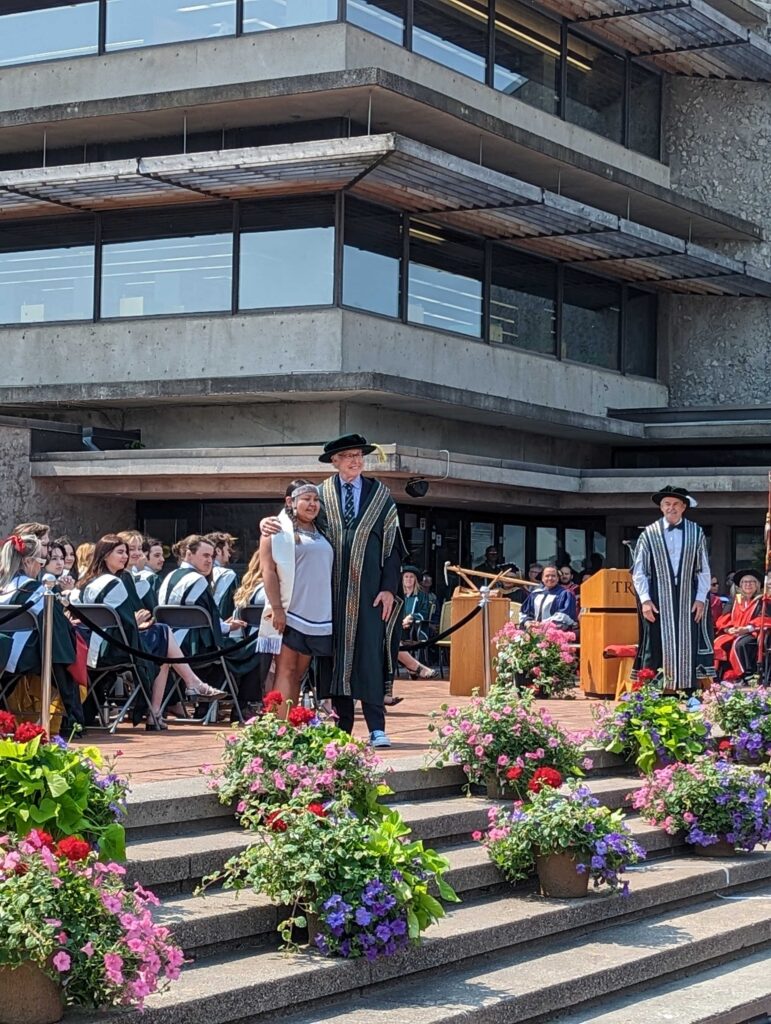
Trent University
Before Pinnguaq/Ampere, what were your career goals or aspirations? How did that change after taking part in Ampere programming?
Before Pinnguaq, I always wanted to work for the military. I wanted to be a military psychologist, to help people like me in the military. In 2019, at the Northern Lights Trade Show, I met a military recruiter and went through the recruitment process. Then the COVID-19 pandemic happened and everything was on pause. I decided that I would go to Peterborough to study Indigenous Studies at Trent University, instead of joining the military. At school, I learned about the importance of preserving Indigenous culture, language and identity and that had a big impact on me. I realized where I fit at Ampere and how I could help the organization and the communities we serve.
In what ways has your work or learning connected back to the Ampere community?
When I came back from school, my main role was to teach Inuit language, culture and traditions to Ampere staff so that they could understand a bit more about our ways of life. Ampere staff is very diverse, we have people from all different cultural backgrounds. Some have experience with Indigenous cultures, and some don’t. It’s important for all of our staff to be able to understand the cultural backgrounds of the people and communities that we work with so that we can better serve them.
What has been your favorite experience at Ampere?
My favourite experience so far is when I came back from university to the role that focuses on my culture, traditions and language. I love my culture and it’s important to me. So I love teaching all of that to Ampere staff and non-Indigenous peoples that don’t have experience with Inuit culture. I love seeing people’s faces when I’m teaching and sharing my culture with them!
Stay current with Ampere
Keep up with all things Ampere by signing up to our Ampere Newsletters today.
Ampere−ᑯᑦ ᐊᑐᖅᐸᖕᓂᕆᔮ
ᑐᓴᓚᐅᖅᓯᒪᕕᑦ ᑖᔅᓱᒥᖓ Ampere−ᑯᑦ ᐊᑐᖅᐸᖕᓂᕆᔮᓃᑦ? ᑕᑯᒃᓴᐅᑎᑦᑎᕗᖅ ᖃᓄᖅ ᐃᑲᔪᖅᑐᐃᕙᖕᒪᖔᑦᑕ ᐃᓕᓐᓂᐊᖅᑎᓂᒃ ᓄᓇᓕᕋᓛᖑᓂᖅᓴᓂ, ᐅᖓᓯᒃᑐᒦᑦᑐᓂᒃ, ᐊᒻᒪ ᓄᓇᖃᖅᑳᖅᓯᒪᔪᑦ ᓄᓇᓕᖏᓐᓂᒃ ᓇᐅᒃᑯᓕᒫᖅ ᐃᓅᓯᖏᓐᓂ ᐊᒻᒪ ᐃᓕᑦᑎᕙᓪᓕᐊᓂᖏᓐᓂ. ᐊᑐᕈᓐᓇᕐᓂᕗᑦ ᐅᑯᓂᖓ ᐃᓚᖃᖅᐳᖅ:
- ᑭᒡᒐᖅᑐᐃᓂᖅ − ᐃᑲᔪᖅᓱᕐᓗᒋᑦ ᓄᓇᓕᕋᓛᖑᓂᖅᓴᑦ, ᐅᖓᓯᒃᑐᒦᑦᑐᑦ, ᐊᒻᒪ ᓄᓇᖃᖅᑳᖅᓯᒪᔪᑦ ᓄᓇᓕᖏᑦ
- ᑲᔪᖏᖅᓴᐃᔪᓕᕆᓂᖅ − ᓂᐱᓂᒃ ᖁᕝᕙᓯᒃᑎᑦᑎᒋᐊᕐᓂᖅ ᐊᒻᒪ ᐊᔪᕈᓐᓃᖅᐸᓪᓕᐊᓂᖅ
- ᓴᖅᑭᑎᑦᑎᕙᓪᓕᐊᓂᖅ - ᓴᙱᓂᖅᑖᖅᑎᑦᑎᓂᖅ ᓴᖅᑭᑎᑦᑎᔨᓂᒃ ᓯᕗᓕᖅᑎᓂᒡᓗ
- ᐃᖅᑲᓇᐃᔮᖃᕐᓂᖅ - ᓴᖅᑭᑦᑎᓂᖅ ᓄᓇᓕᖕᓂ, ᑲᔪᓰᓐᓇᕈᓐᓇᖅᑐᓂᒃ STEAM−ᒧᑦ ᐃᖅᑲᓇᐃᔮᒃᓴᓂᒃ
- ᐃᑲᔫᑎᒃᓴᑦ − ᐊᔾᔨᒌᒃᑎᑦᑎᓗᑎᒃ ᐃᓕᓐᓂᐊᖅᑎᓕᒫᑦ
- ᐃᓕᓐᓂᐊᕐᓂᓕᕆᓂᖅ − ᒪᓂᒪᑎᑦᑎᓂᖅ ᐱᓕᕆᓪᓚᑦᑖᕐᓗᑎᒃ, ᓄᑖᙳᖅᐸᓪᓕᐊᔪᓂᒃ−ᐊᐅᓚᑕᐅᔪᓂᒃ ᐃᓕᑦᑎᕙᓪᓕᐊᓂᕐᒥᒃ
The Kawartha Makes program covered the entire lifecycle: ᑭᒡᒐᖅᑐᐃᓂᕐᒥᒃ, ᑲᔪᖏᖅᓴᐃᔪᓕᕆᓂᕐᒥᒃ, Production, Employment, Resources and ᐃᓕᓐᓂᐊᖅᑎᑦᑎᓂᕐᒥᒃ.