Page 5 – Ampere Association

STORIES & IMPACT

Case Study: Website Reboot – I-Think

Our client is an incredible non-profit focused on equipping young learners with the skills and confidence to drive change, and developing their 21st century skills and competencies. Pinnguaq was retained to reboot their current site…

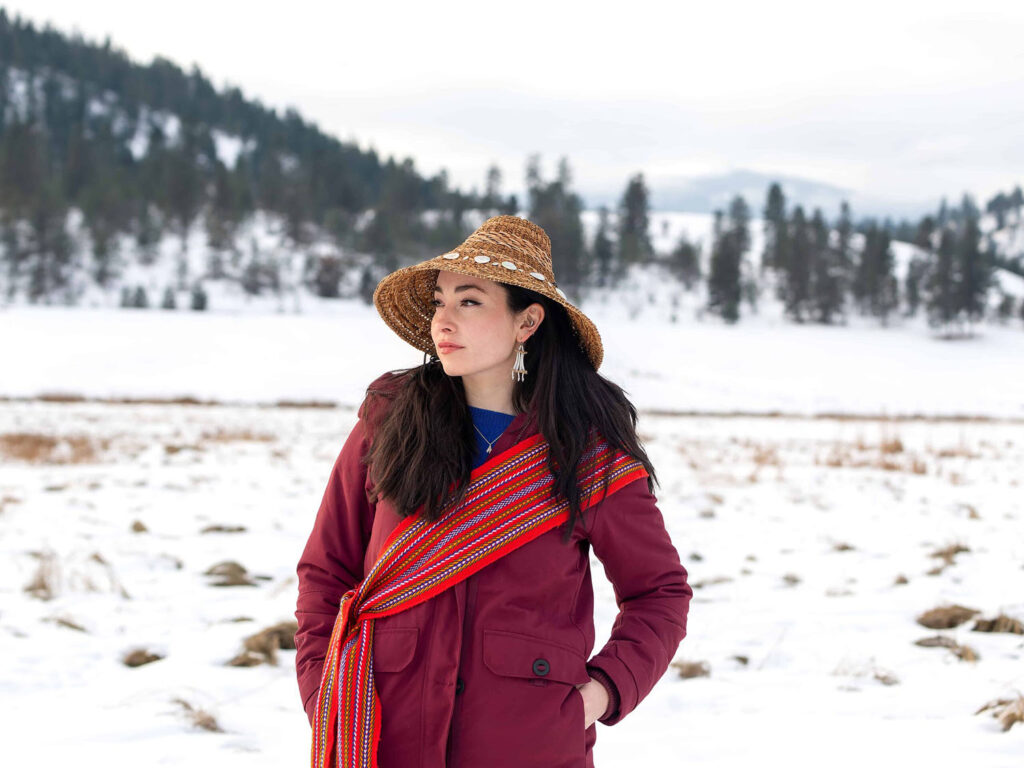
women standing in snow looking to the left of the camera

A Conversation on Climate

As a young Gitxsan and Cree-Métis girl growing up in Gitanmaax First Nation in northern British Columbia, Janna Wale loved school—Now a policy advisor at the Canadian Climate Institute, Wale talks to Karen Pinchin about her earliest memories and the educators who helped her integrate her scientific career with her Indigeneity.

A Conversation on Climate Read More »

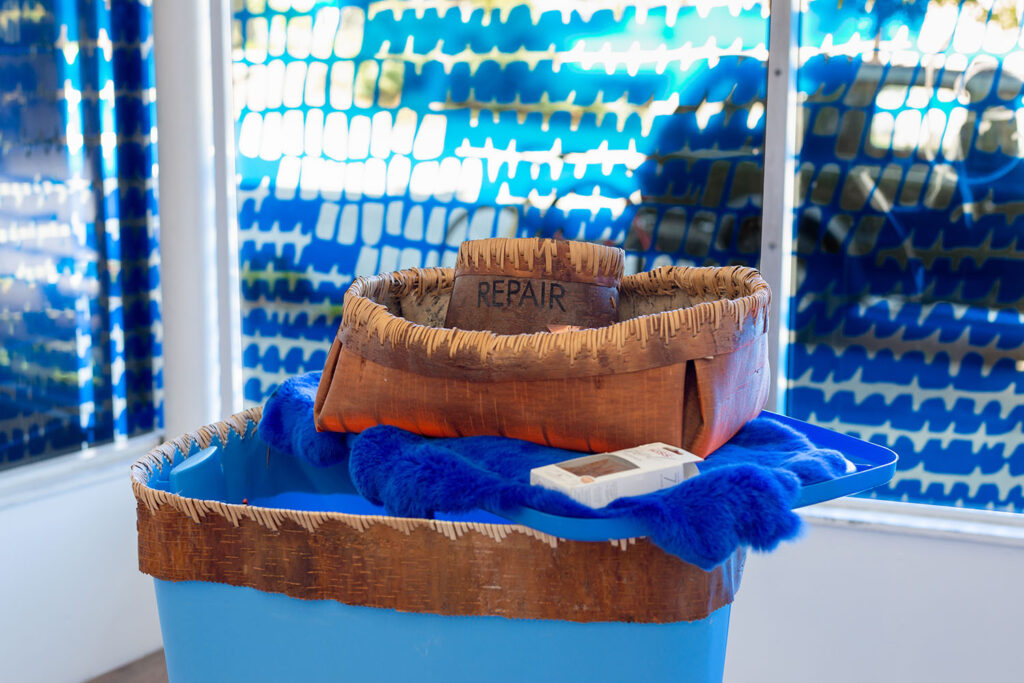
close up on top of a tubberwear box with a bag that says REPAIR in it

Framing the Land

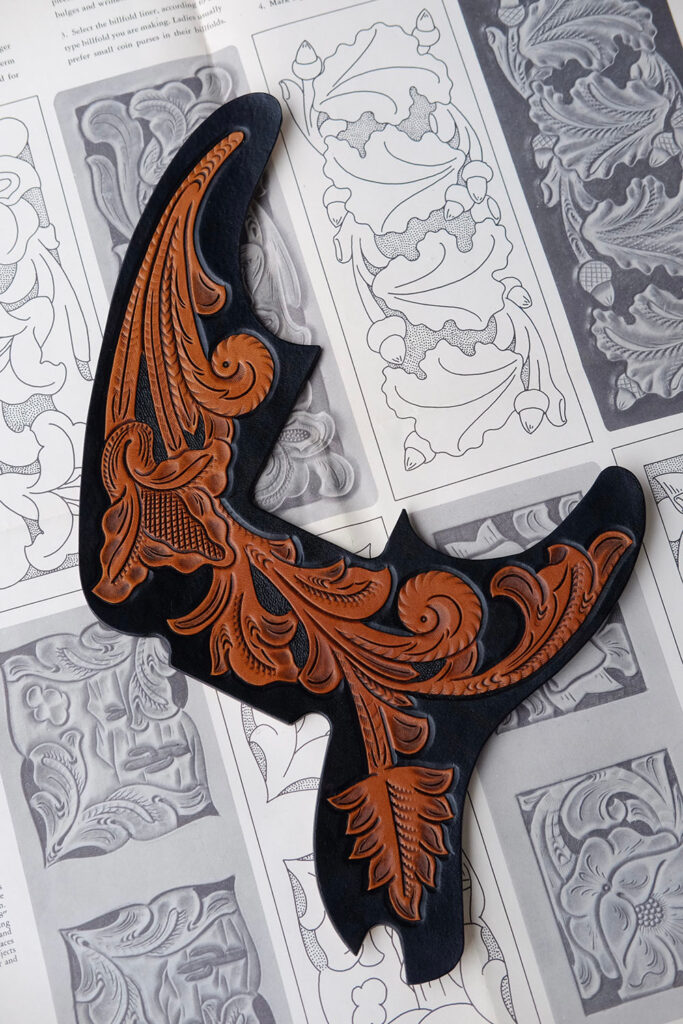
Now, Willard is an artist, curator, and assistant professor at the University of British Columbia (UBC), Okanagan. A mixed Secwépemc and settler, Willard’s research is focused in part on providing a view of the art world in small towns, rural centres, and on reserve. As an artist, curator, and educator, Holly Schmidt is trying to put a frame around something that is often taken for granted: the natural world around us.

Framing the Land Read More »

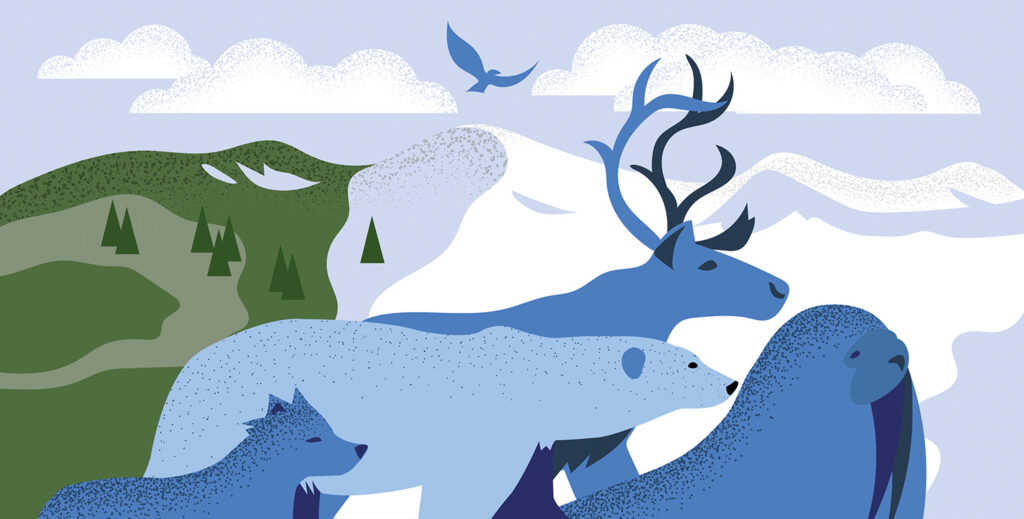
illustration of artic animals with mountains in the background

Resilience in the Wild

Animals adapt, physically and behaviourally, as a means of survival, so they can reach their main food sources, fend off predators, and survive seasonal changes in the weather. Whether we realize it or not, we see the results of animal adaptation all the time, like when carnivorous animals rip flesh with their sharp canine teeth or when prey travel in herds because there is strength in numbers. Survival isn’t the only outcome, however; when animals develop new adaptations, they also develop new relationships with their environments. The monarch butterfly is a great example. Its larvae feed on milkweed leaves, which have a strong, distasteful odour and are poisonous. The monarch adapted so that it is able to digest this poisonous plant and because of its smell, predators keep away from the butterfly and its eggs.

Resilience in the Wild Read More »

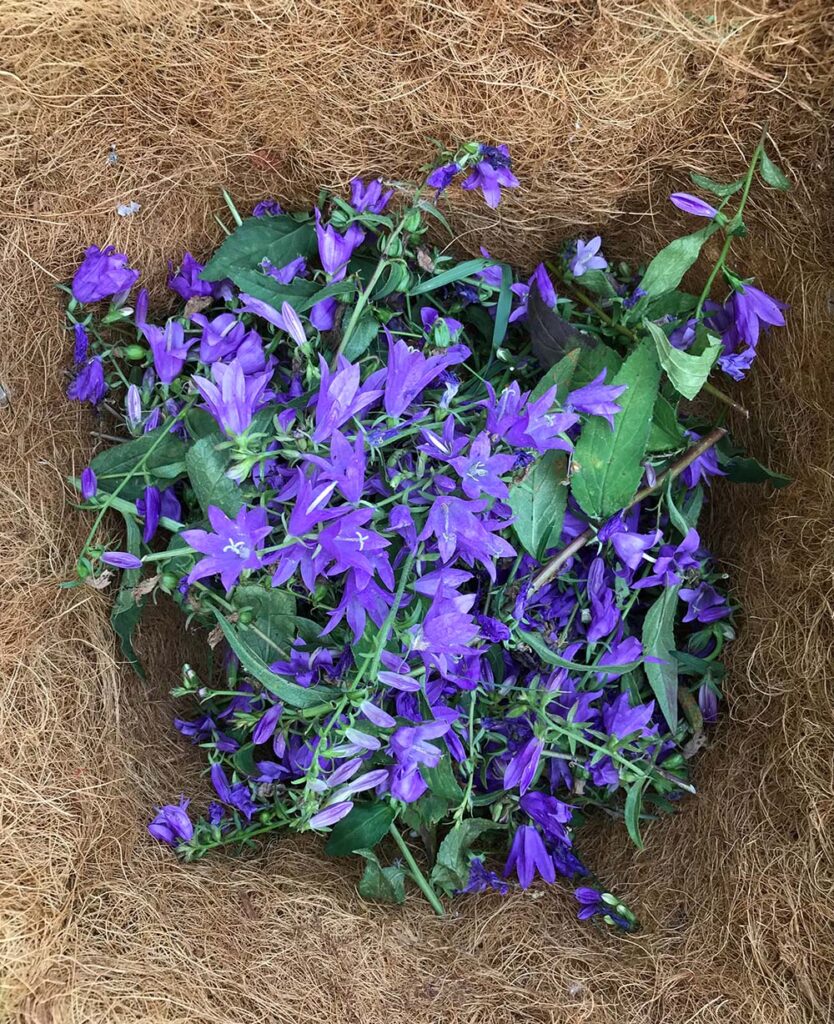
pile of harebell in birds nest

Naturally Ink-quisitive

Art is a great way to get creative, fire up different parts of the brain, and see something in a new way. To make colourful, sustainable inks that don’t come with excess packaging or contain microplastics that end up in nature, just reach for plants from the kitchen, forest, or garden.

Naturally Ink-quisitive Read More »

coloured rainforest

From Old-Growth Rainforests to Arctic Sea Ice

The Tla-o-qui-aht Nation’s territory extends from one of the few remaining ancient temperate rainforests down to the Pacific Ocean. It is a place of thousand-year-old cedars up to 12 metres tall. Elk run through the misty woods, and black bears catch salmon as they migrate upstream, pulled back to rivers and streams by an unstoppable urge to spawn the next generation where they themselves hatched.

From Old-Growth Rainforests to Arctic Sea Ice Read More »

Scroll to Top