

International Inuit Day is November 7
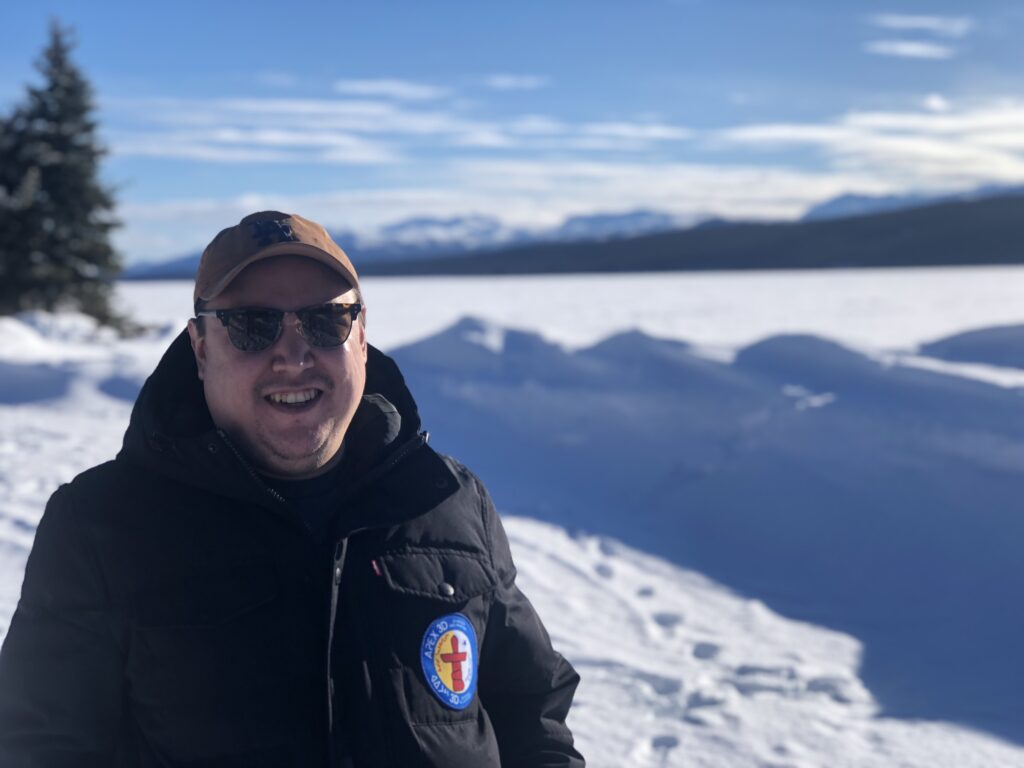
Written by Joshua Kilabuk Stribbell
Ullaakkut! Ublaami! Uvlaami!
If there’s one thing that International Inuit Day calls us to celebrate, it’s that Inuit are everywhere.
There are an estimated 160,000 – 180,000 of us on the planet, with most living in Inuit Nunaat (Inuit homeland) across the circumpolar north.
The Inuit name for Greenland is Kalaallit Nunaat, where there are approximately 50,000 Inuit.
Iñupiat are the Inuit people of Alaska, and more than 25,000 live there.
There are also approximately 2000 Inuit living in Siberia, primarily along the Chukotka Peninsula.
In Canada, approximately 50,000 Inuit live in Inuit Nunangat, comprising four regions: the Inuvialuit Settlement Region in Northwest Territories, the Territory of Nunavut, Nunavik in Northern Québec, and Nunatsiavut in Labrador.
As a southern Inuk, I can also tell you firsthand that Inuit live all across southern Canada. I grew up in the greater Toronto area. My mom and siblings live out on Vancouver Island. We also know Inuit on the island living in Nanaimo, Victoria and Sooke.
Places like Edmonton, Yellowknife, Winnipeg, Ottawa, Montreal and St John’s are all hub cities for their respective Inuit regions from the eastern to the western arctic.
And I’ve found Inuit in rural and remote towns across Canada in the last places you’d expect, which has changed my expectation to being able to find Inuit no matter where I am in the world (despite our small population).
Inuit are born and move outside of Inuit Nunangat for a variety of reasons, including: forced relocation (sixties scoop, tuberculosis ships, medical reasons, etc.), to be closer to family, to seek post-secondary education and/or gainful employment, and simply to explore new and unfamiliar places.
With so many Inuit living in so many places, there are countless differences between our local, regional, and national cultures, especially when it comes to our languages.
This is a good opportunity for us to pause and reflect on current international efforts that contribute to the revitalization of Inuit languages across the world, as many folks might not be aware that we are approaching the halfway point of the UNESCO Decade of Indigenous Languages.
The United Nations Educational, Scientific and Cultural Organization, following the year of Indigenous languages in 2019, proclaimed 2022 – 2032 as the International Decade of Indigenous Languages to “draw global attention on the critical situation of many Indigenous languages and to mobilize stakeholders and resources for their preservation, revitalization and promotion.1”
Shifting this to a Canadian context, let’s spend a moment reflecting on Inuit languages in Canada.
According to Inuit Tapiriit Kanatami (national Inuit representative organization), “Inuktut is the language of Inuit spoken across Inuit Nunangat. The term “Inuktut” is a broad term encompassing a number of other terms for Inuit languages, including Inuktitut, Inuinnaqtun and Inuvialuktun. Many Inuit may prefer to use one of the more specific terms for their own language.2”
To see a map of Inuit languages across Canada, please visit the ITK website: https://itk.ca/projects/inuktut/
Inuit Languages in the South
Language revitalization in the south comes with its own set of challenges. There are a limited number of language speakers. Language speakers come from all over and often speak different dialects. There are rarely formal courses for us to take and, when they are available, the dialect is dependent on the teacher who is available. I’ve joined south baffin, north baffin, and even Inuivialuqtun classes at separate times.
Sometimes I wonder if we’ll see new dialects emerge in cities, where several dialects co-exist. As many of us slowly learn our language, and pick up vocabulary from different regions, what might our language look like in the future? Part of what inspires this thought is watching language speakers at conferences, trade shows and events, come together to compare and contrast words in their dialects. There is always laughter that fills the room when someone finds out what the same sound means in a different dialect.
All this to say, as an Inuktitut language learner who lives in the south and is engaged in the slow process of learning, I am grateful to work at an organization that has created some really cool digital resources, and I’d love to share some of these with you.
Many of them are beginner level, so if you’ve never spent any time with Inuktitut, these are also a great place for you to connect a bit with Inuit languages on this International Inuit Day, taking place during the UNESCO Decade of Indigenous Languages.
Qujannamiik / Ma’na / Quyanainni
Ampere (Formerly Pinnguaq)-created Inuktut digital resources
| Resource | Description | Link |
| Health NU | A mobile application providing accessible health-related information in Inuktitut, supporting access to information in users’ own language. | Health NU |
| Singuistics | A mobile language-learning game designed to help users engage with Inuktitut through interactive activities. | Singuistics |
| Inuit Uppirijatuqangit | A hidden-object game exploring Inuit mythology. Players discover traditional stories across four illustrated environments inspired by Inuit communities. | Explore the game |
| Aaqqiksugaq | An interactive jigsaw puzzle game that introduces Inuktitut vocabulary and syllabics through 45 puzzles featuring Nunavut art and culture. | Aaqqiksugaq |
| Uqalimaarluk | A digital collection of Inuktitut children’s books brought to life through animation, narration and sound effects to support early literacy. | Uqalimaarluk |
| Inuktitut Digital Literacy Game Engine | A free, Scratch-based resource that helps educators create interactive Inuktitut literacy games, including syllabic recognition, word matching and pronunciation activities. | Explore the resource |
| Iqalliarluk | An interactive typing game developed with Ilitaqsiniq – Nunavut Literacy Council that helps learners practise Inuktitut vocabulary and typing in both syllabics and the Latin alphabet. | Play Iqalliarluk |
| Inuktitube | A digital resource supporting engagement with Inuktitut through video and multimedia content. | Inuktitube |
1 UNESCO, “International Decade of Indigenous Languages (2022–2032),” accessed November 5, 2026, https://www.unesco.org/en/decades/indigenous-languages.
2 Inuit Tapiriit Kanatami, “Inuktut Language Initiatives,” accessed November 5, 2026, https://itk.ca/projects/inuktut/.


Inuktitube – A digital resource supporting engagement with Inuktitut through video and multimedia content.